More than halfway there: Week 2 Review
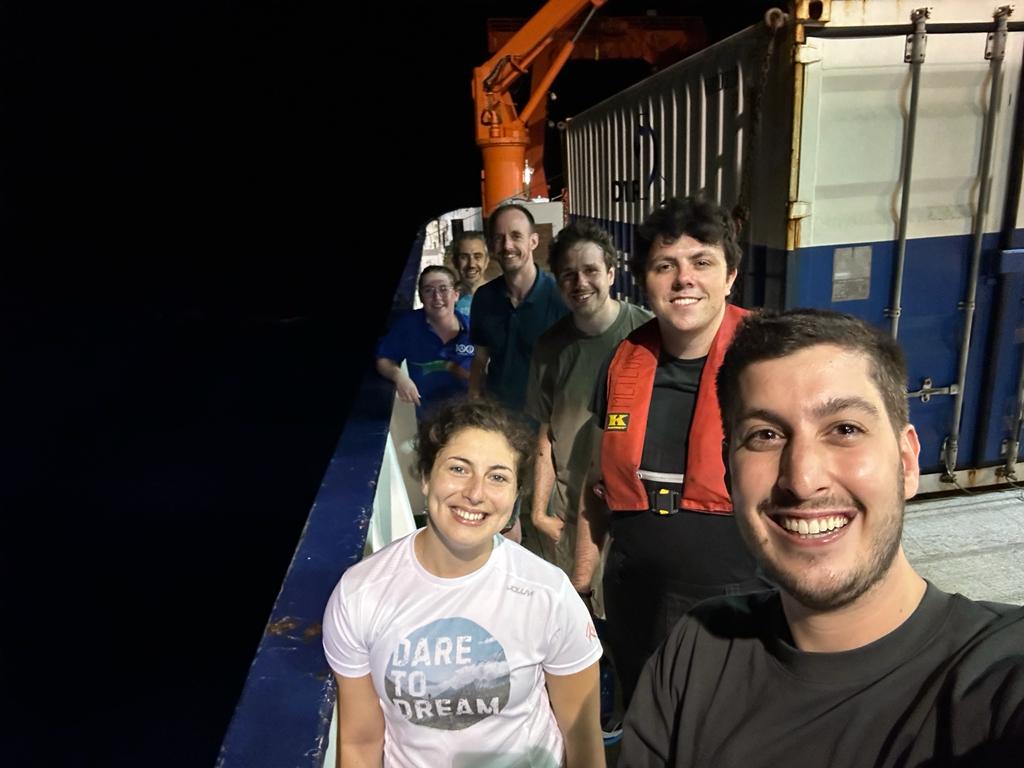
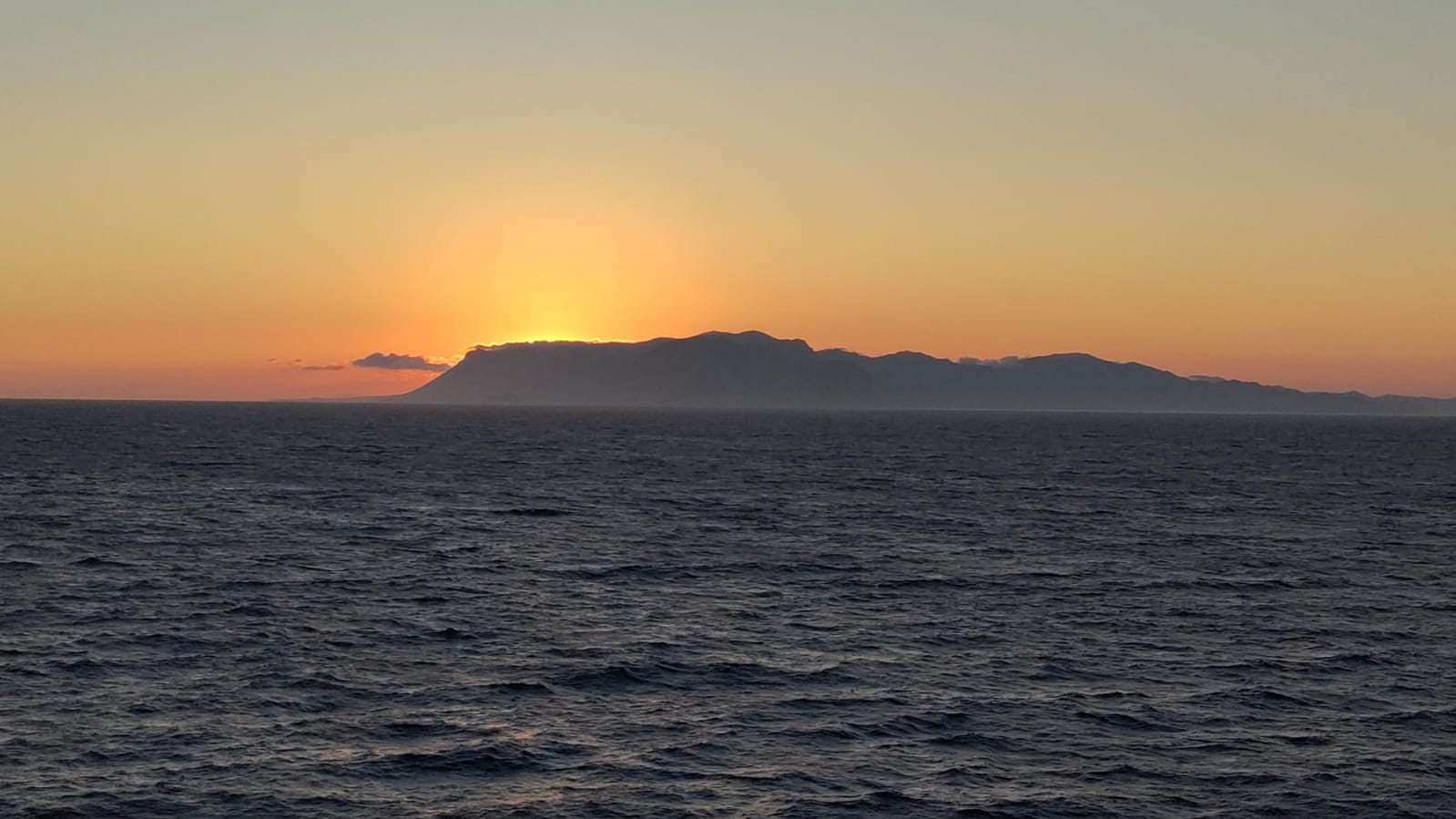
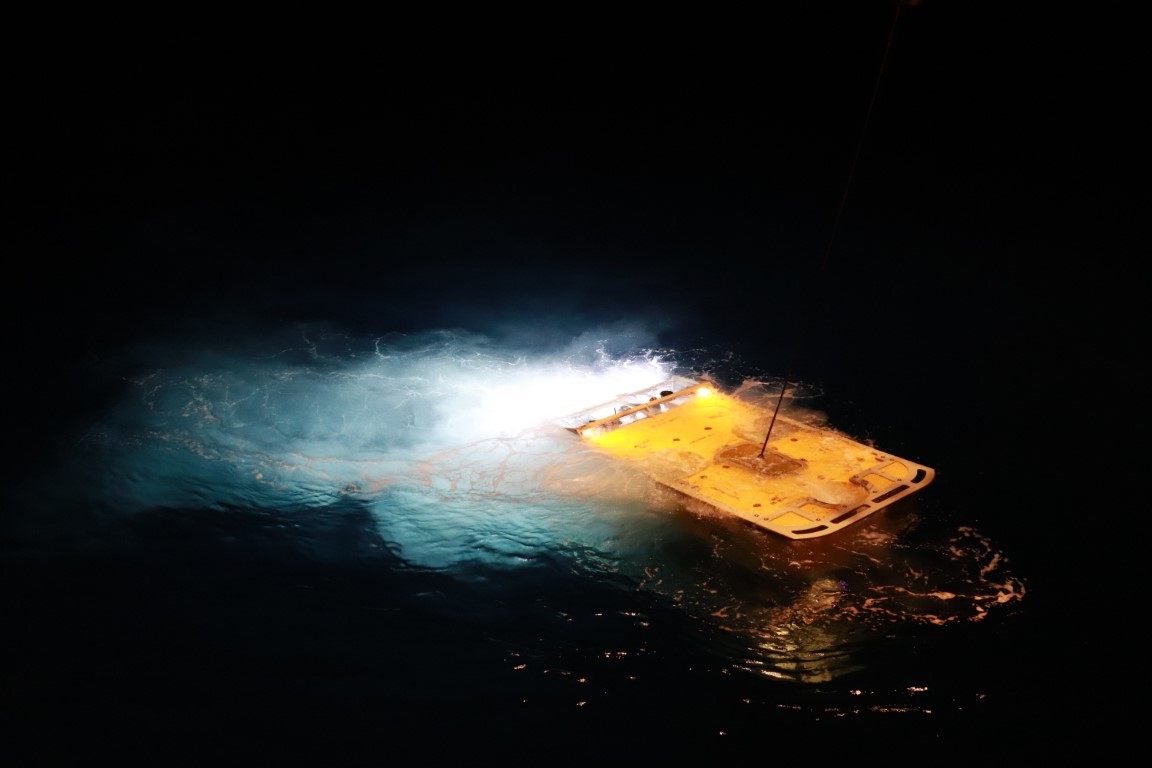
Under the sea, under the sea … are there only carbonates waiting for me? After a very successful first week of dredging and seafloor mapping on the M191 expedition, the team of scientists onboard the R/V Meteor entered their second week in lower spirits. Sea conditions deteriorated for two days, which introduced some of us […]

What have we been up to? Week 1 Review

Adios España … Transiting to our working area Throughout our 3.5-day transit from Algeciras to our first submarine volcano site, the M191 science team had time to ease into the official work load and shift system by getting started on several tasks before the official rock sampling and seafloor mapping duties began. Whilst some of […]

M191 Expedition: Introducing the Scientists

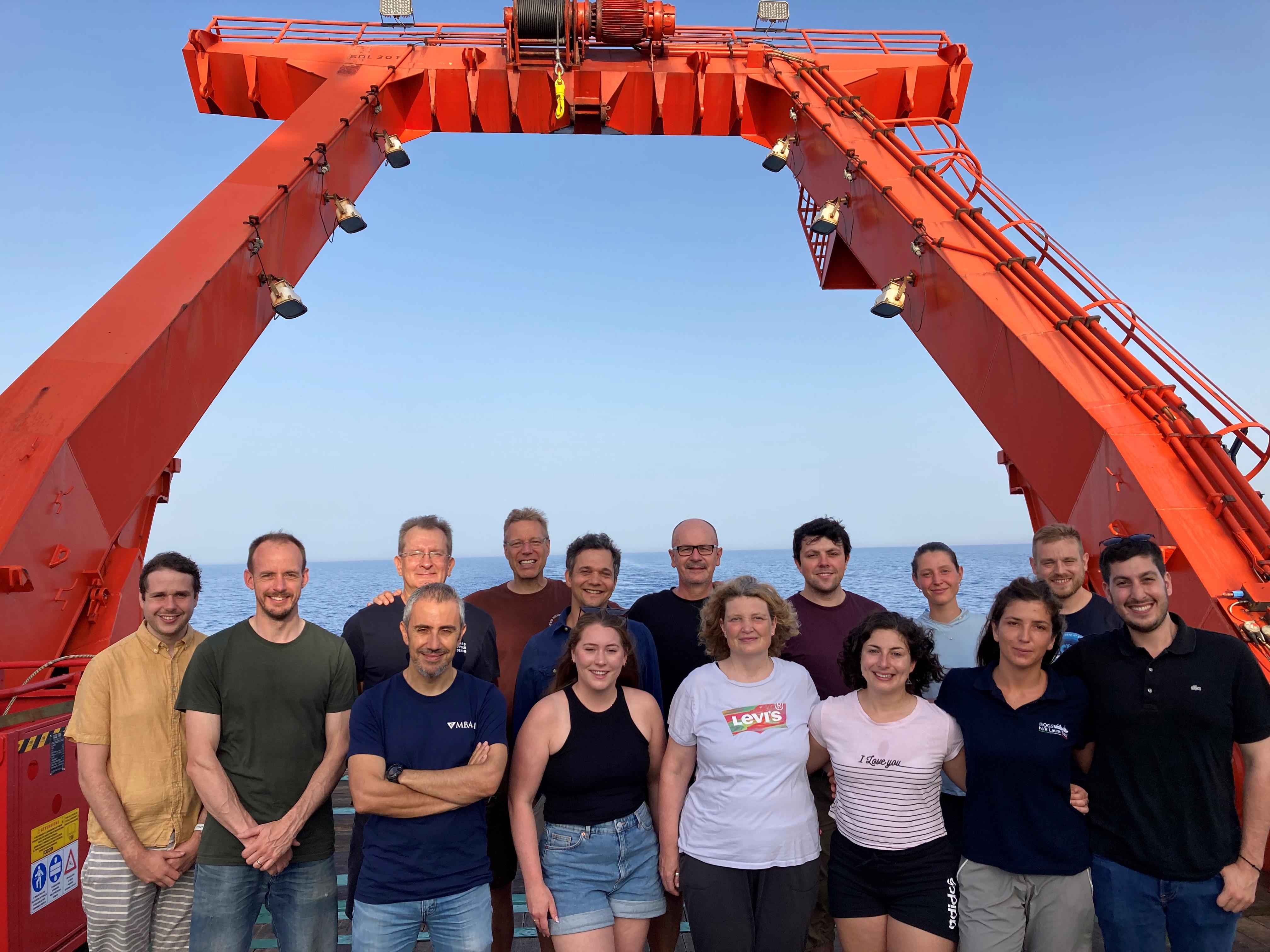
On the 15th of July, 2023, 15 European scientists from 7 different insitutions boarded the R/V Meteor in Algeciras, Spain for the M191 expedition, where they shall investigate submarine volcanism in the western Sicilian Channel (SUAVE) for 3 weeks. The research cruise is expected to end in Piraeus, Greece on the 5th of August. Time […]

from Game Blog

No rest for the undeployed

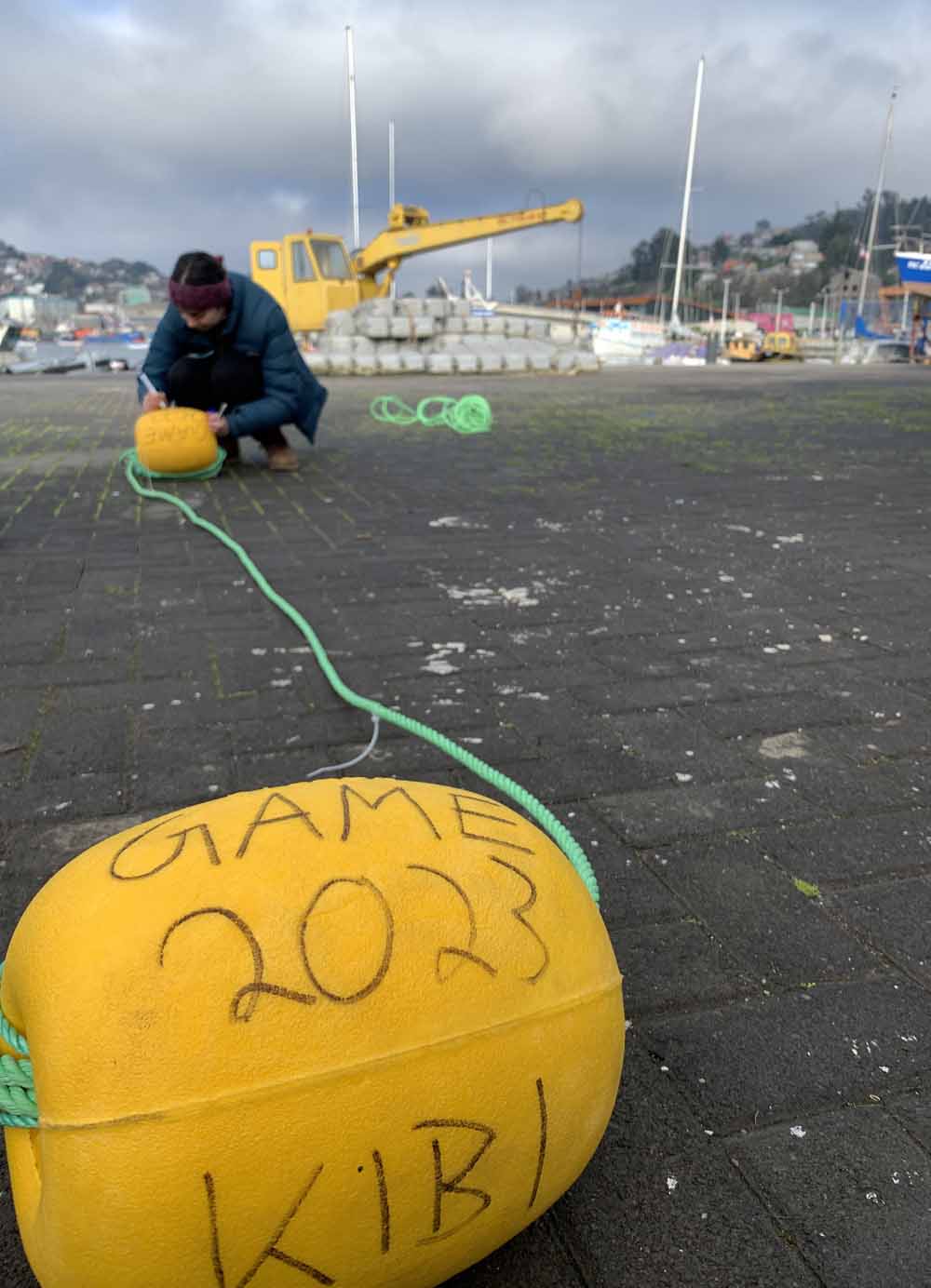
Snorkelling through colourful coral reefs, diving into the deep unknown, and cruising through ice and snow on research vessels such as Polarstern. These are activities that most of you will probably expect if you hear that we are budding marine biologists. And honestly, this is also what we had in mind when we started pursuing […]

from Ocean Voices Blog

A New Beginning: Embracing Parenthood and Academic Pursuits

Some people say family and a scientific career are not a good match, others say there is no better time to become a mother than during your PhD. Follow along as we, Katharina and Kim, share our journey of balancing motherhood and continuing our doctoral research project. How it all began: Katharina: Since I was […]

from Game Blog

Hola from sunny Cádiz

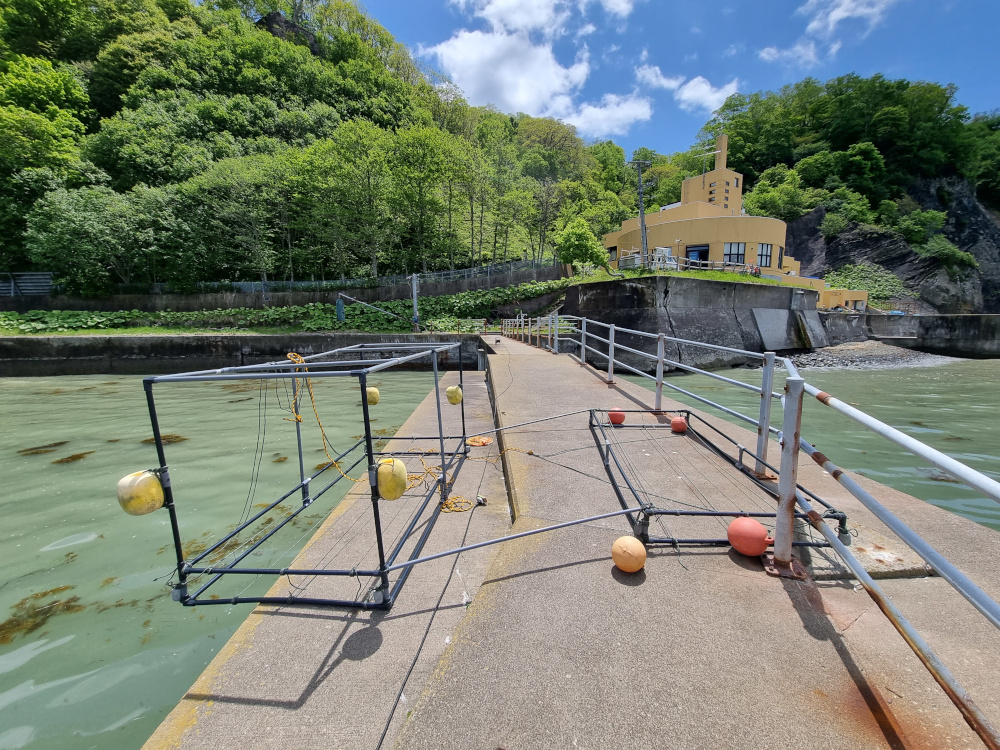
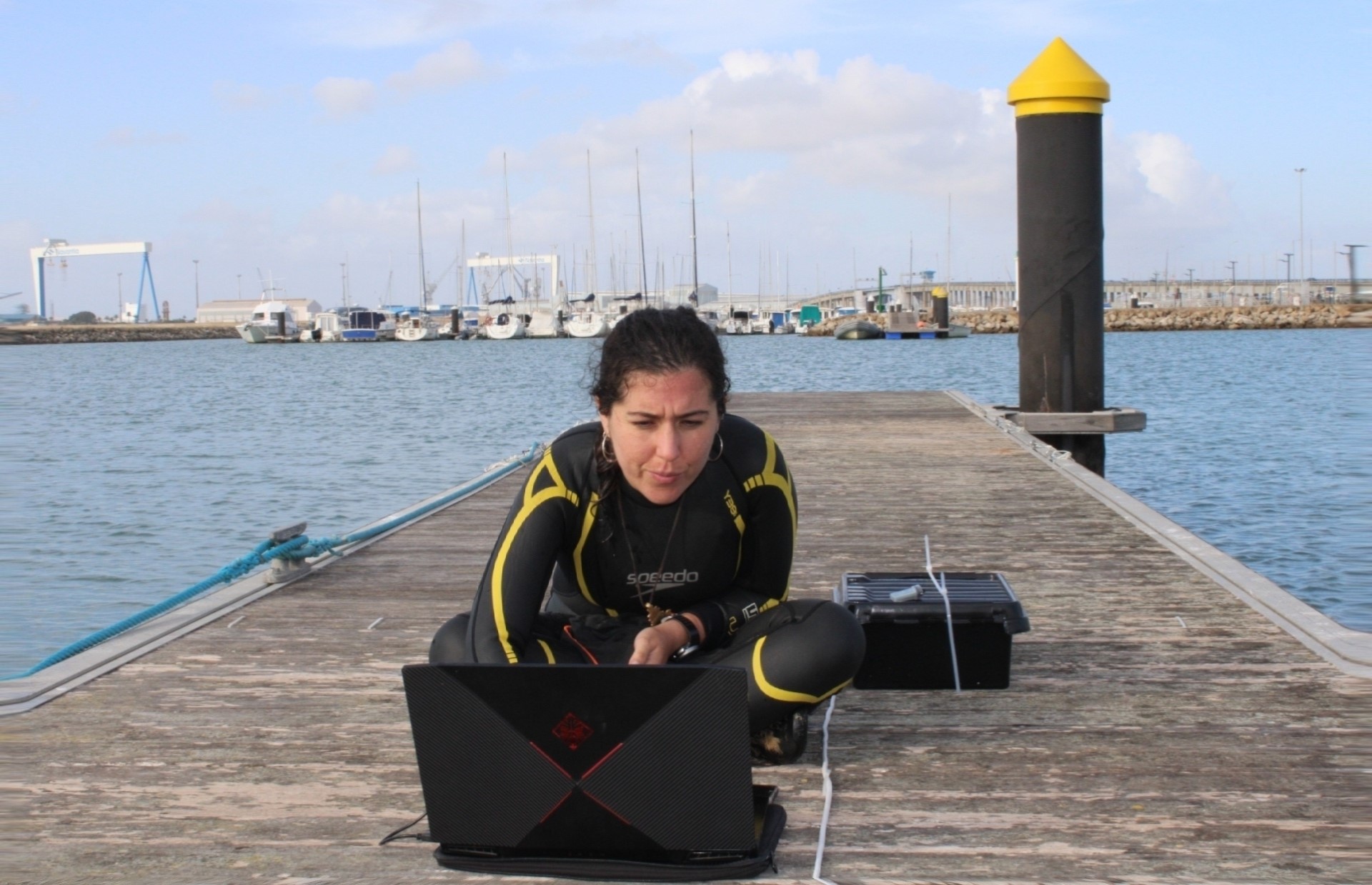
This year, for the first time, a GAME project takes place at the Instituto Universitario de Investigación Marina (INMAR) in Cádiz, Spain. We’re Raquel (ES) and Chiara (DE) and together we are Team Spain 2023. Right now, we are in the middle of our experiment. Our GAME project looks at the influence of artificial light […]

In a nutshell: OBS & OBMT

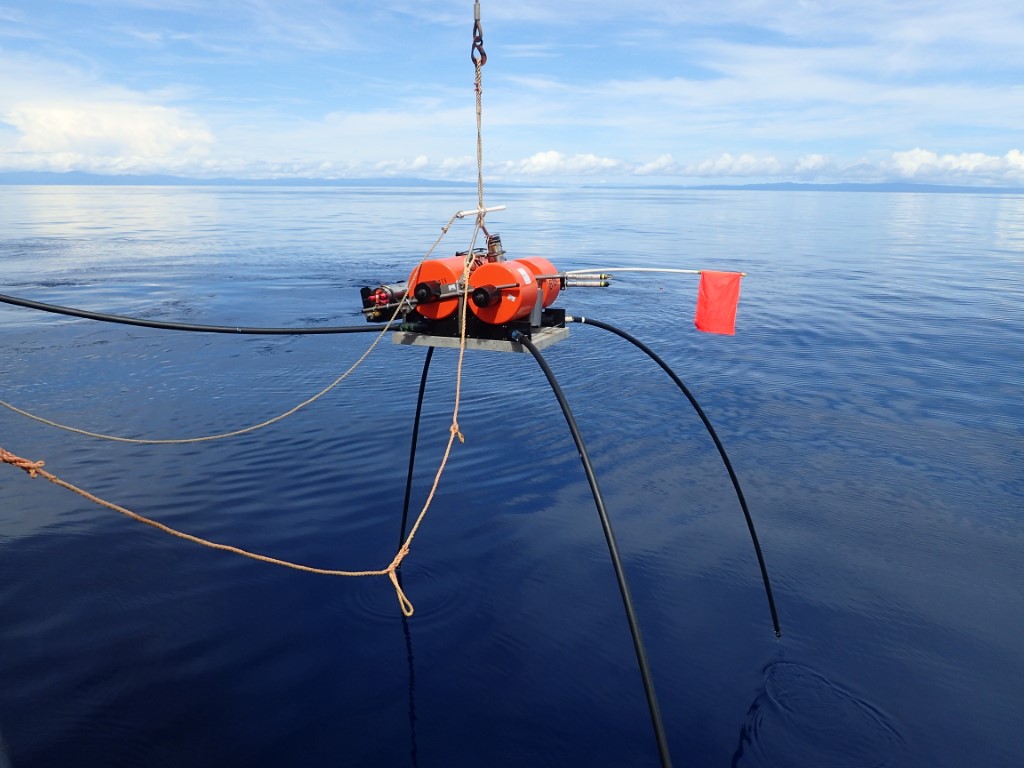
To investigate the subsurface of the seafloor, we deploy geophysical instruments, which can „look“ below the seafloor bottom through the sediment and rock layers. We have two different types of devices, which complement each other. OBS stands for Ocean Bottom Seismometer, and is used to detect earthquakes. OBMT stands for Ocean Bottom MagnetoTellurics, and it […]